8 Shoulder Exercises, Mapped Muscle by Muscle — Female + Male 3D Animation for Every Rep
Quick Answer: Your shoulder is three separate muscles (front, side, rear delt), not one — and pressing alone only trains one of them well. Below are 8 exercises using dumbbells and a barbell, each shown in 3D animation, female and male, with the real story behind each one.
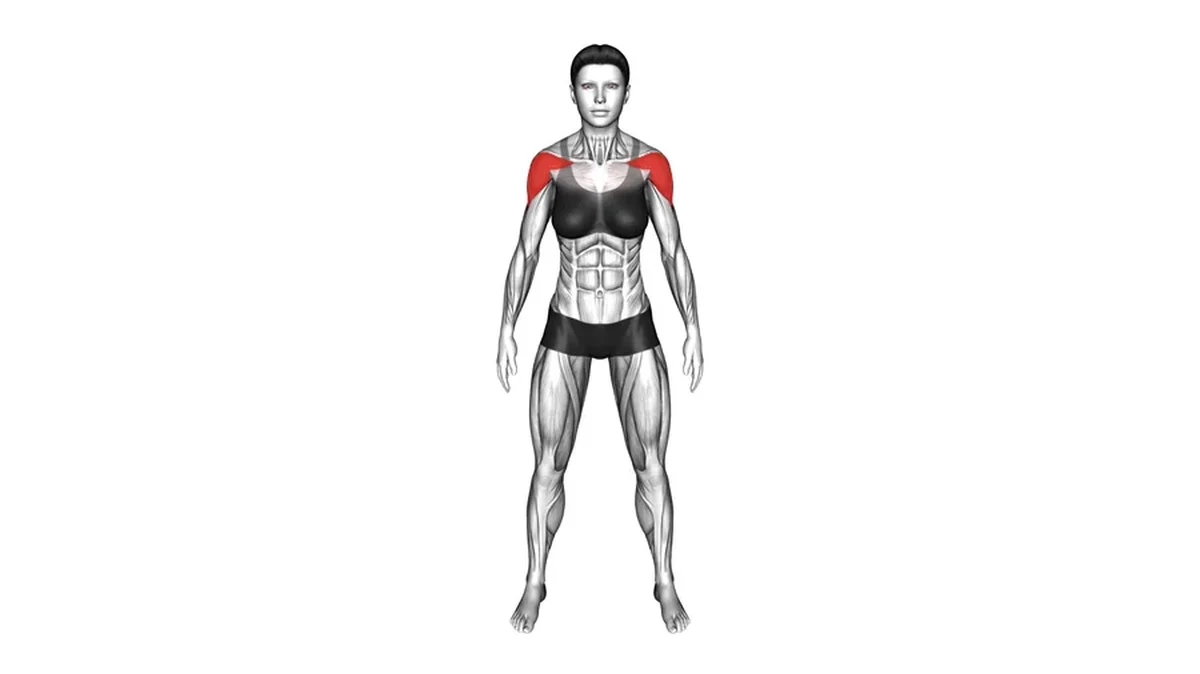
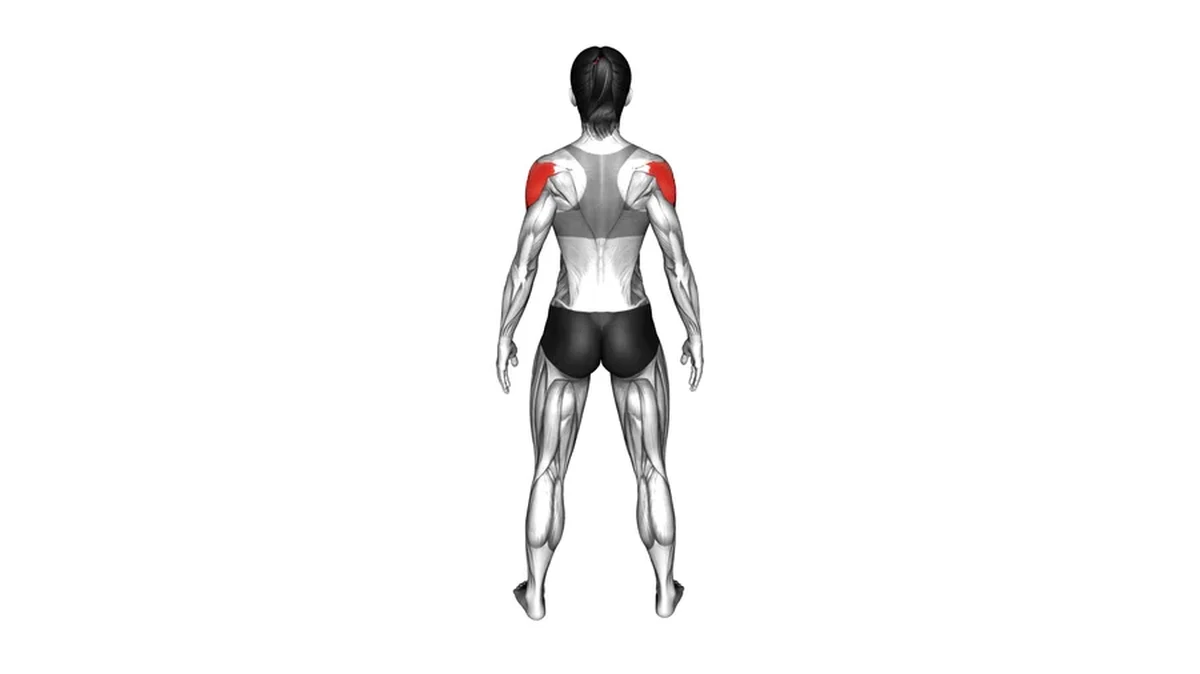
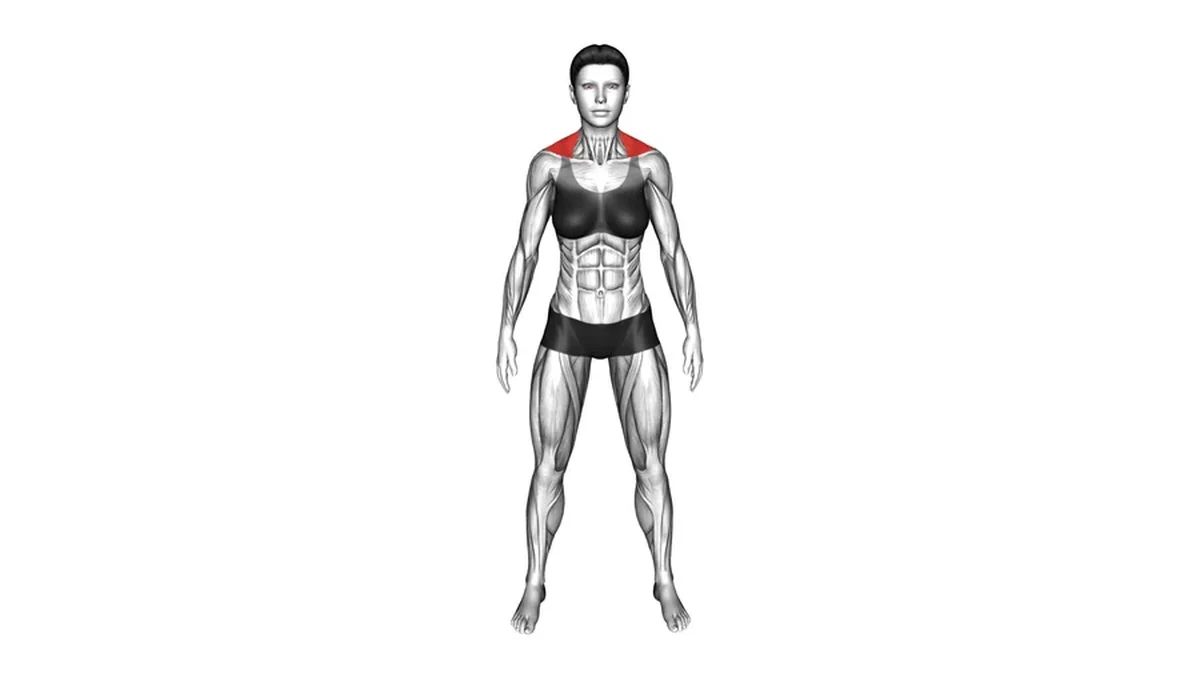
 Dumbbell
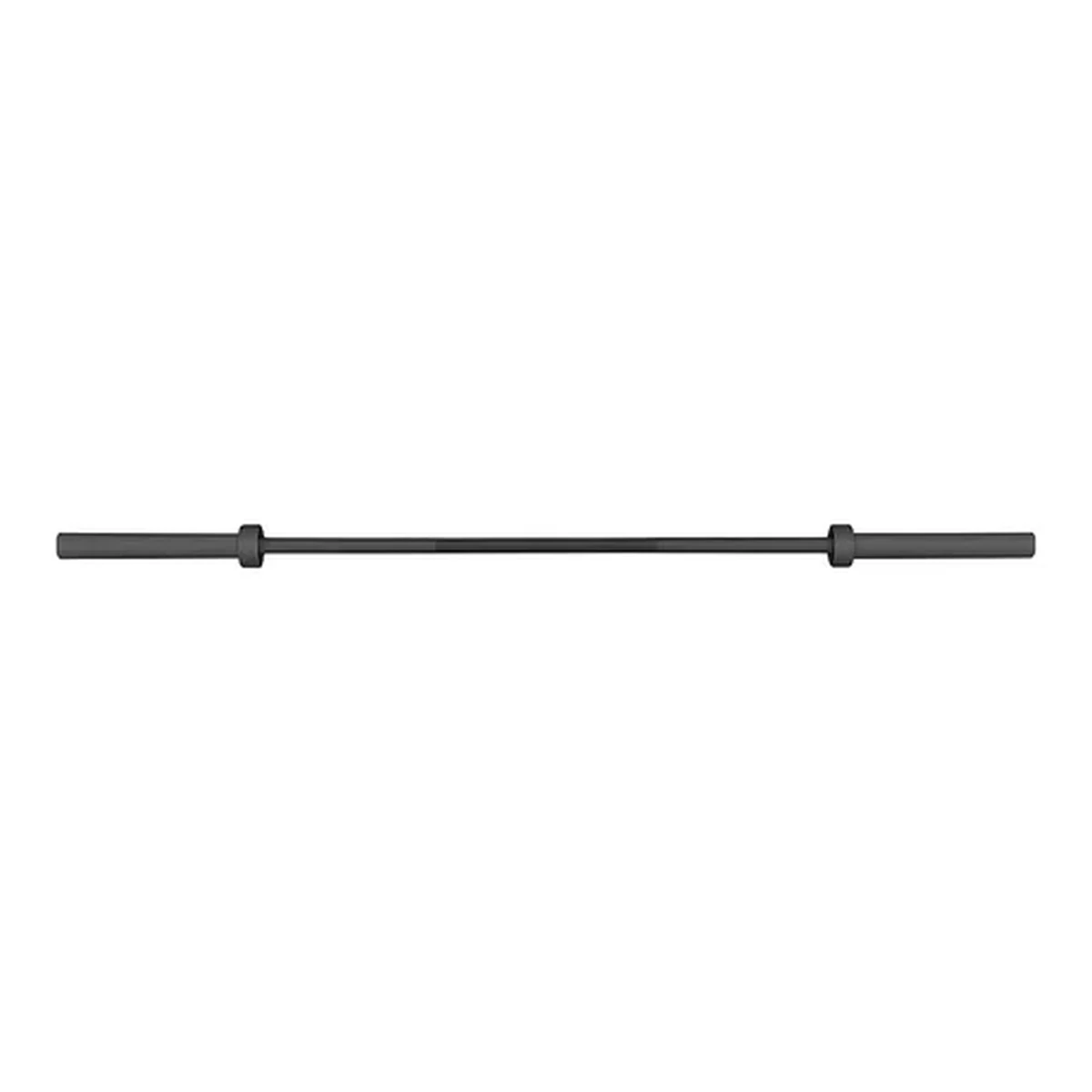 Olympic Barbell
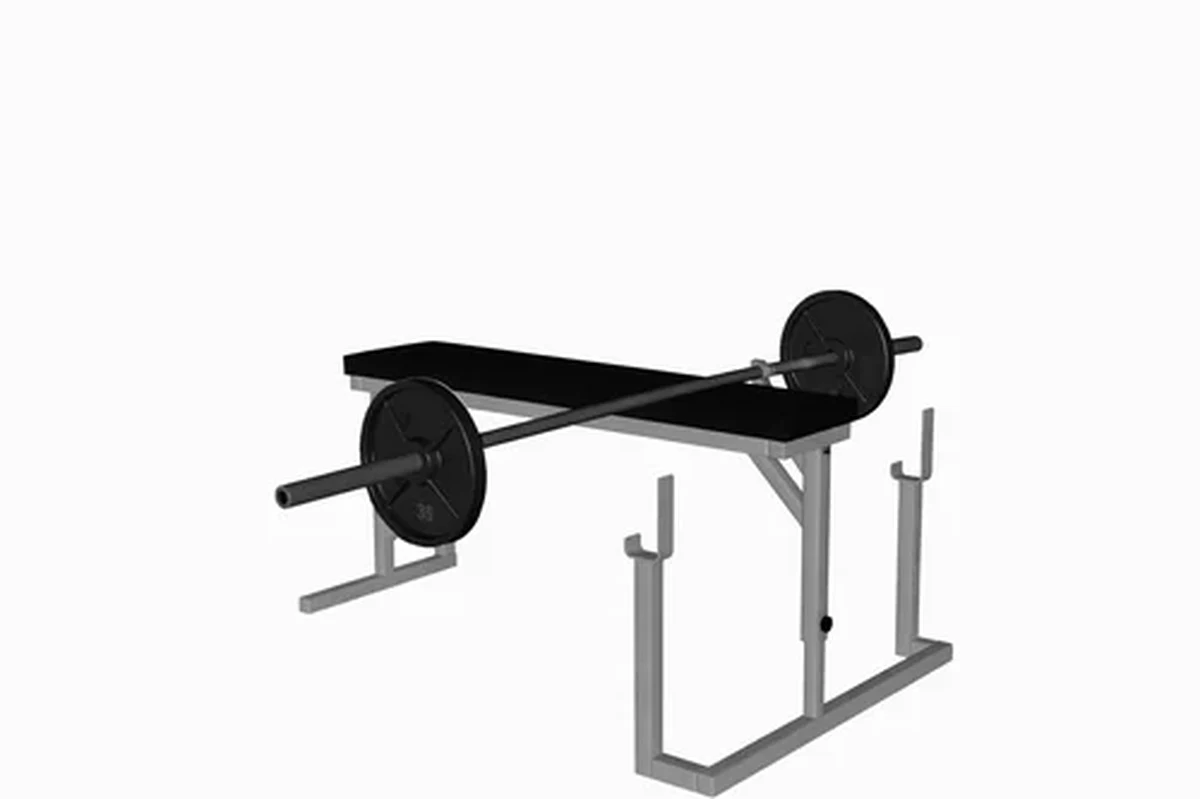 Weight Bench with Barbell
The 8 Exercises
Dumbbell Standing Lateral Raise
Dumbbell · Gym
This is the one that actually builds width — not the press.
If your shoulders feel like they're not getting wider no matter how much you bench or press, this is why: pressing movements are mostly a front-delt exercise, and a shoulder press activates the side (middle) deltoid — the muscle that actually creates shoulder width — noticeably less than a dedicated lateral raise does. Grab a pair of dumbbells, stand tall, and raise your arms out to the sides until they're roughly parallel with the floor. The detail almost nobody gets right: don't lift straight out to the side. Angle your arms about 30 degrees forward, into what's called the scapular plane — it keeps the space under your shoulder bone open instead of pinching it, which is the difference between a safe set and a cranky shoulder by rep 12.
Dumbbell Standing Overhead Press
Dumbbell · Gym
The good news: you probably don't need to do much more front-delt work than this.
Your front deltoid is the muscle at the front of your shoulder, and here's the thing — it's already getting hit hard every time you bench press or do any pushing movement in your chest routine. A standing overhead press trains it directly and effectively, but the honest takeaway from the research is that most people don't need to stack a bunch of extra front-raise-style exercises on top of pressing — the front delt is rarely the lagging part of anyone's shoulders. Press the dumbbells straight overhead, keeping your grip slightly wider than shoulder width so your shoulders aren't forced into an awkward inward rotation under load.
Dumbbell Rear Delt Fly
Dumbbell · Gym
The most neglected third of your shoulder — and the one that fixes your posture.
Rear delts sit at the back of your shoulder and their job is pulling your arm backward — which is exactly the motion most people never train, because it's not what happens on a bench or an overhead press. Chronically weak rear delts are a big part of what makes shoulders round forward and traps look like they're doing all the work. Hinge forward at the hips, let the dumbbells hang, and raise them out to the sides in a wide arc, squeezing your shoulder blades together at the top. Here's a bonus fact worth knowing: rear delts aren't only trained by flys — any close-grip pulling motion, like a tight row or pulldown, works this same muscle. If you row regularly, you're already doing more rear-delt work than you think.
Dumbbell Upright Row
Dumbbell · Gym
The 'dangerous' exercise that's really just a hand-width problem.
Upright rows get a bad reputation, and the actual mechanism is specific: pulling the weight up while your hands are close together forces your shoulder to rotate inward at the same time it's elevating — and that exact combination is what narrows the space under your shoulder blade and can trigger impingement pain. The fix isn't cutting the exercise entirely. Widen your grip to roughly hip width, and stop pulling the weight higher than chest level instead of all the way to your chin. Narrow grip, chin height: high risk. Wider grip, chest height: same shoulder-building exercise, far less shoulder drama.
Dumbbell Lateral Raise
Dumbbell · Gym
Here's a myth that got tested in an actual 8-week experiment — and lost.
You've probably heard that cables are 'better' than dumbbells for lateral raises because they keep tension on your shoulder even at the bottom of the movement, where a dumbbell goes nearly weightless. A 2025 study put that claim to the test directly: 24 lifters, 8 weeks, each person's two arms randomly assigned to either dumbbell or cable lateral raises — removing individual variation from the equation entirely. The result: side-delt muscle thickness increased 3.3 to 4.6%, with no meaningful difference between dumbbell and cable. The resistance curves are genuinely different between the two tools, but once researchers controlled for full range of motion, growth came out the same. The tool doesn't matter nearly as much as actually using your full range of motion, every single rep.
Dumbbell Standing Overhead Press
Dumbbell · Gym
Same press, worth repeating: your front delt is already covered elsewhere.
We're including a press on both sides of this list on purpose — it's a genuinely useful exercise, and the point worth hammering home is that if your chest day already includes pressing, your front delt is getting plenty of stimulus without you needing to chase it separately. Stand tall, brace your core, and press the dumbbells overhead in a controlled path, avoiding an exaggerated arch in your lower back to compensate for tight shoulders. If your overhead mobility is limited, a slightly forward press path (rather than straight up) is a completely reasonable adjustment, not a form failure.
Dumbbell Reverse Fly
Dumbbell · Gym
Rear delts, round two — because most people need it twice a week, not once.
Given how commonly rear delts lag behind the front and side deltoid, seeing this movement pattern twice on one list isn't an accident — a body part built almost entirely by dedicated isolation work benefits from more frequent, direct attention than a muscle that gets plenty of indirect work elsewhere. Hinge at the hips, hold a slight bend in your elbows, and raise the dumbbells out and slightly back, focusing on squeezing your shoulder blades rather than just lifting your arms. Keep the weight light enough that you can feel the rear delts working specifically — this is a spot where ego-lifting with heavy dumbbells just recruits your traps and lats to do the work instead.
Barbell Wide Grip Upright Row (front POV)
Barbell · Gym
The textbook-correct version of the exercise everyone warned you about.
This is what a properly executed upright row actually looks like: a grip noticeably wider than shoulder width, which keeps your shoulder in a neutral-to-externally-rotated position instead of forcing it inward as the bar rises. Pull the bar up along your body to roughly chest height — not your chin — leading with your elbows. This single grip-width adjustment is the entire difference between an exercise with a bad reputation and a genuinely effective way to hit your side delts and upper traps at once. If you've been avoiding upright rows entirely because of what you've heard, this version is the one to actually try.
Try the Machine Version Too
Same three deltoid heads, different tool — the muscle can’t tell what equipment moved it. See the machine version of this exact shoulder day →
A supportive sports bra matters just as much as your form once the overhead presses start — shop the shoulder-day activewear pick →
What to Watch Out For
Upright rows with a narrow grip. Pulling a bar up close to your body forces your shoulder inward right as it’s lifting — the exact combination that irritates the space under your shoulder blade. Widen your grip and stop the pull at chest height, not your chin.
Behind-the-neck presses. That extreme shoulder position isn’t worth it. Press in front of your head instead, every time.
Lateral raises lifted straight out to the side. Raising directly out to your side with your thumb turned down is a classic impingement setup. Angle your arms slightly forward — about 30 degrees — and keep your thumb up.
Loading up front-delt work you don’t need. If you already press regularly, your front delt is almost certainly getting enough volume. Extra front raises are rarely the fix for shoulders that feel behind — rear and side delts usually are.
Skipping rear delts entirely. This is the most commonly neglected third of the shoulder, and it’s a big part of what keeps posture upright and shoulders pulled back. If your routine has zero rear-delt-specific or close-grip pulling work, that’s the first gap to close.
This article is informational, not medical advice. If you have an existing shoulder injury or ongoing pain, check with a physical therapist or doctor before starting a new shoulder program.
Keep Reading
This article is for general informational and educational purposes only and is not medical or professional training advice. Consult a qualified professional before starting any new exercise program.