8 Back Exercises, Mapped Muscle by Muscle — Female + Male 3D Animation for Every Rep
Quick Answer: Your back is at least six muscles working together, not one. Below are 8 exercises using a barbell, dumbbells, bands, or just your bodyweight — each shown in 3D animation, female and male — with the real story behind what it’s doing to your back and how to not mess it up.
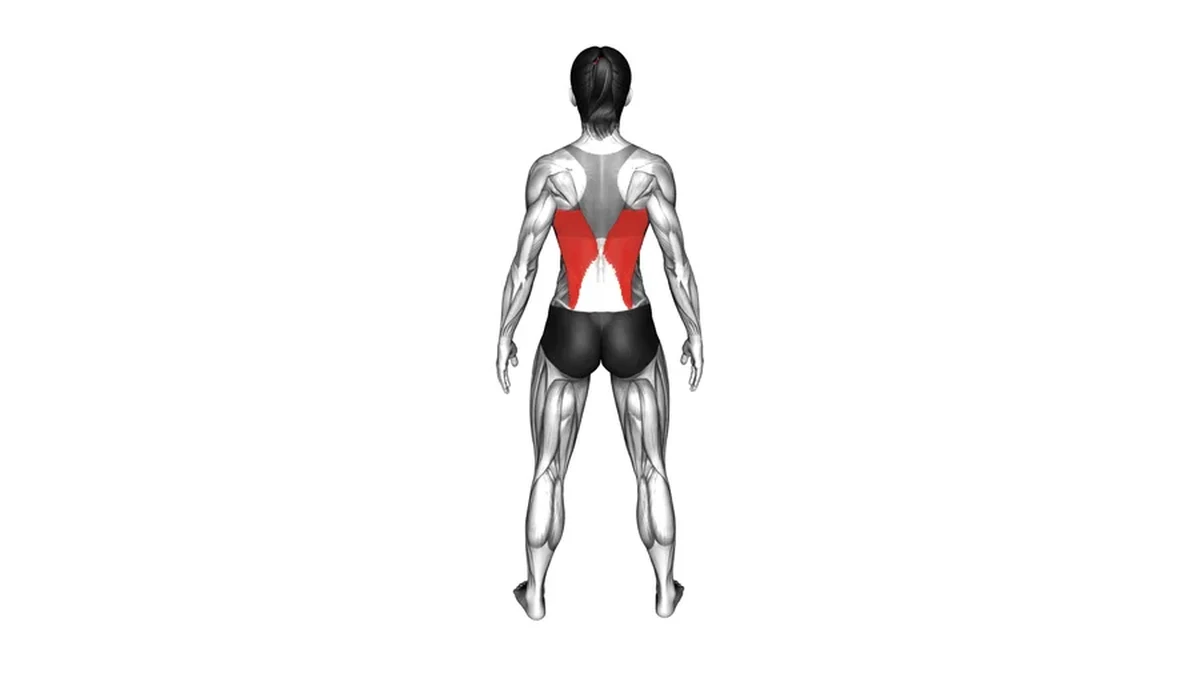
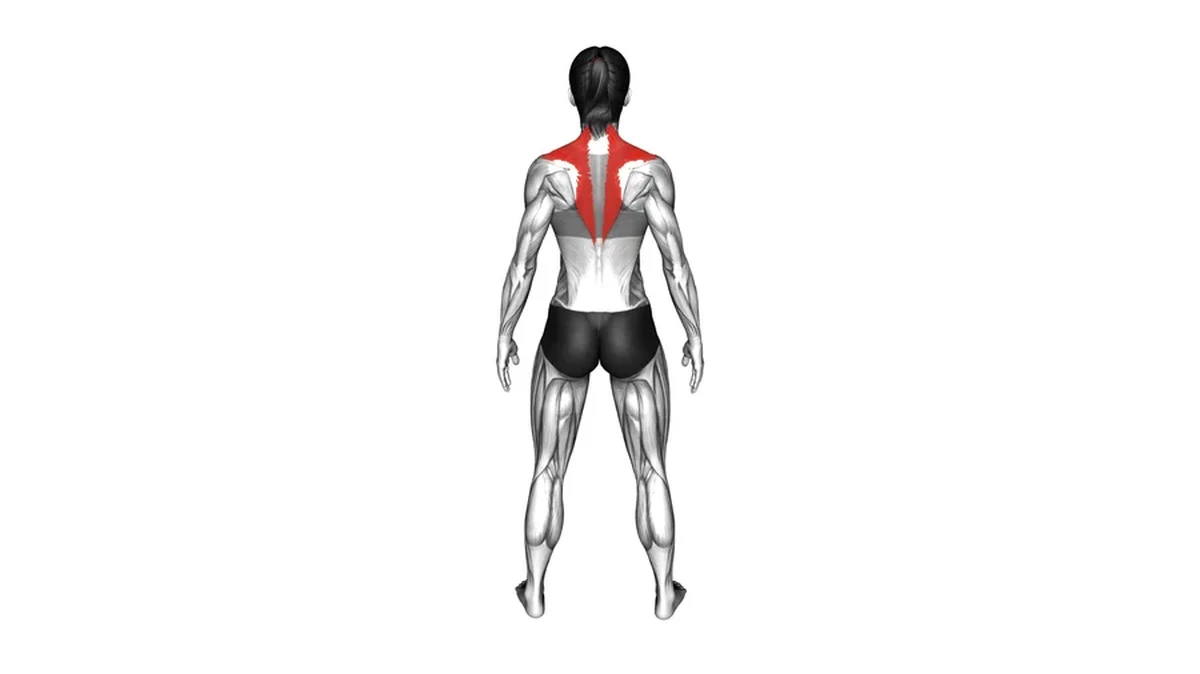
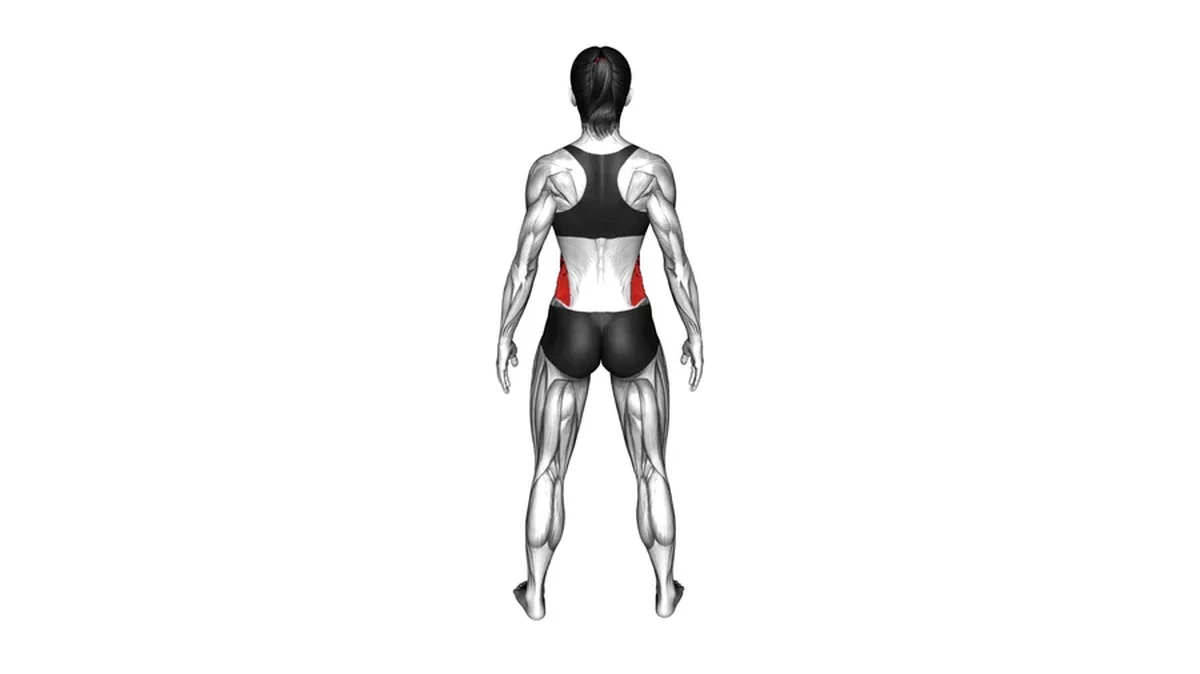
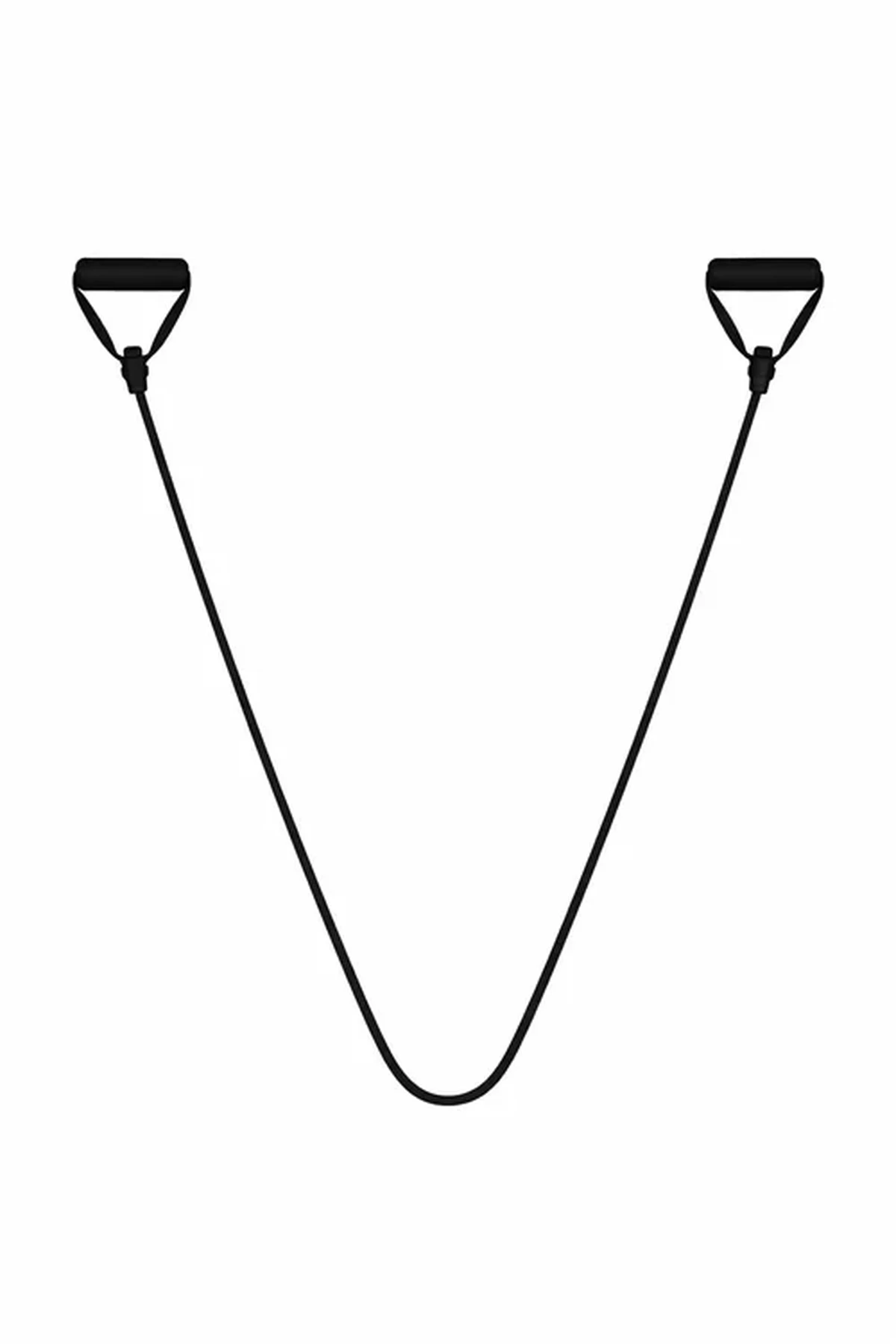 Band
Band Dumbbell
 Kettlebell
 Medicine Ball
 Olympic Barbell
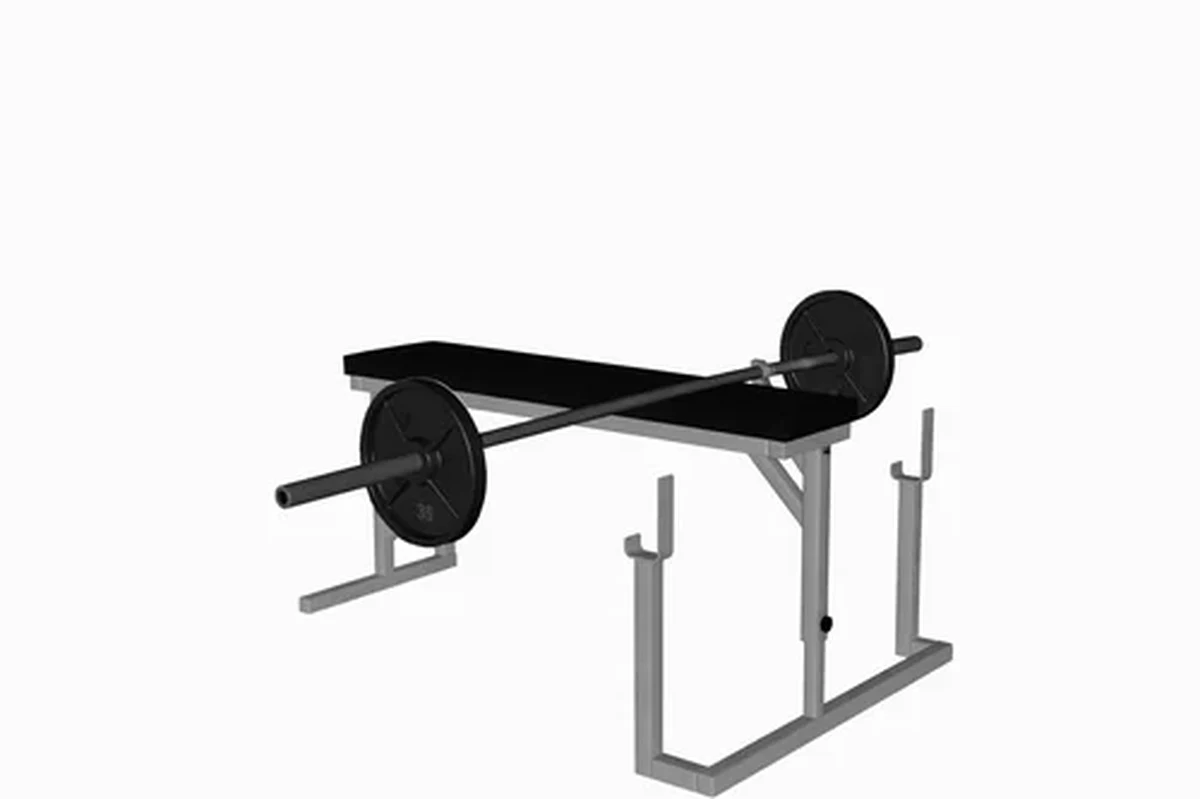 Weight Bench with Barbell
The 8 Exercises
Roll Rhomboids
Bodyweight · Home
This one isn't even a lift — and it's still doing real work.
Before you touch a single weight, give the muscles between your shoulder blades a reason to cooperate. Your rhomboids sit in a deep layer under your mid-traps, and their entire job is pulling your shoulder blades together — which is exactly the motion that gets crushed when you spend eight hours hunched over a laptop. Rolling a foam roller or a ball slowly across that tight, cranky spot doesn't build muscle, but it wakes the tissue up so the rows you're about to do actually recruit the right muscles instead of your upper traps doing all the work out of habit. Hold at each tender spot for 5-10 seconds — gliding through fast feels productive but skips the point entirely.
Band Bent over Row
Resistance Band · Home
Here's the plot twist: your muscles don't care about hormones.
A lot of people still think the post-workout pump — that tight, swollen feeling — means the muscle is 'activated' and growing. A major 2025 research review looked at this directly and the verdict was blunt: the hormone spike after a workout and the pump itself have no established causal link to actual muscle growth. What does drive growth is mechanical tension — the force your muscle produces while it's under load, full stop. That's genuinely good news for a resistance-band row like this one: the band doesn't care that it's not a barbell. If your rhomboids and lats are working hard against real resistance through the full pull, they're getting the same growth signal a loaded barbell would send. Hinge at the hips, keep elbows close to your body, and don't let your lower back do the pulling for you.
Bottle Weighted Bent Over Row
Weighted · Home
Yes, a water bottle. No, your muscles will not know the difference.
This is the home-gym cheat code nobody tells you about: your lats and rhomboids have no idea whether the resistance pulling on them came from a $40 dumbbell or a filled water bottle. What they respond to is tension and range of motion, not the price tag on the equipment. Support your opposite knee and hand on a bench, keep your hips square, and pull the bottle up like you're trying to drag your elbow past your ribs. The mistake almost everyone makes here is letting the torso rotate with the pull to 'help' — which actually just steals work from your back muscles and hands it to momentum. Keep it slow, keep it square, and it counts exactly as much as the gym version.
Dumbbell Shrug
Dumbbell · Gym
Your upper traps only understand one direction: straight up.
This is the muscle that makes the neck-to-shoulder line — and it's also the most over-recruited muscle in your entire back, because it jumps in to help on almost every pulling exercise whether you want it to or not. A shrug isolates it on purpose. Lift your shoulders straight toward your ears and hold for a full second at the top — that pause matters more than the weight on the dumbbells. The single most common way people waste this exercise is rolling the shoulders forward or backward in a little circle, which feels like it's doing more but actually just reduces how much tension the traps ever hold in the position that trains them. Straight up, straight down, every rep.
Seated Row with Towel
Bodyweight · Home
This is where most back routines quietly leave gains on the table.
Here's a mechanical fact that almost nobody puts together: your lats reach their deepest stretch when your arm is fully overhead with your torso lengthened — think the very top of a straight-arm reach. Rows, including this one, start with your arm already down near your side, so they never pass through that lengthened position at all. That's not a flaw in this exercise — rows are still excellent for the mid-back and the contracted, squeezed portion of the pull — but it's worth knowing rows alone won't fill every part of your lats' full range. Loop a towel around your feet, pull with your elbows leading, and squeeze your shoulder blades together like you're trying to hold a pencil between them. Don't just yank with your arms — start the movement from the shoulder blades and let the elbows follow.
Resistance Band Seated Row
Resistance Band · Home
And here's the exercise that's supposed to close that exact gap — sort of.
Since rows can't reach the lats' fully lengthened position, a lot of programs add a pulldown-style movement to cover it. The honest version of that story: pulldowns do start with your arm overhead, but they tend to lose meaningful tension right at the top of the pull, where the cable angle stops loading the muscle hard. Research on training at longer muscle lengths suggests the stretched position may carry extra growth stimulus — and a 2025 study found that partial reps done specifically in that lengthened zone produced results similar to full range of motion. We'll be straight with you: nobody has directly proven that adding a stretch-focused move beats just doing more rows and pulldowns. But the mechanical gap is real, so it's worth including. Loop the band around your feet, elbows tucked to your sides, and pull straight back without leaning your torso to help.
Medicine Ball Catch and Overhead Throw
Medicine Ball · Home
Time to stop being polite about it and throw something.
Every exercise so far has been slow and controlled — this one is the opposite on purpose, and your back needs both. Explosive, full-body power work like this trains your rear delts and upper back to fire fast under load, which slow, controlled rows simply don't train the same way. Catch the ball, hinge at your hips the instant it lands in your hands, then drive it overhead as hard as you can using your legs and hips first — your back finishes the motion, it doesn't start it. The most common way people turn this into a bad idea is trying to generate all that force from the lower back alone, which turns a fun power move into a slipped-disc lottery ticket. Legs first, every single time.
Kettlebell One Arm Row
Kettlebell · Gym
The last myth to bust: your grip width has basically nothing to do with it.
If you've ever picked a wide grip specifically because someone told you it 'widens your back' more than a narrow one — here's the correction. A 2025 EMG study tested 7 different grip variations on lat pulldowns across 40 trained lifters and found no significant difference in lat activation between any of them. The one thing that did change the target: leaning the torso back about 30 degrees, which shifted more work onto the rear delts. Grip width is a comfort setting, not a growth lever. Brace your free hand and knee on a bench, and row the kettlebell toward your hip with your elbow brushing your torso the whole way — if the elbow flares out wide, your back stops leading the movement and your shoulder takes over instead.
Try the Machine Version Too
Same six back muscles, different tool — the muscle can’t tell what equipment moved it, only how much tension it was under. See the machine version of this exact back day →
If your sessions involve rows and rack pulls, a high-waist legging with a wide non-rolling band matters as much as your grip does through a long set — shop the back-day activewear pick →
What to Watch Out For
Rowing with your lower back instead of hinging. If your low back aches after rows, the usual cause is lifting without a proper hip hinge. Drop the weight and lock in a hinged position — chest up, hips back — before you touch the bar again.
The 90/90 shoulder position, if it’s ever bothered your shoulder before. Rowing with your upper arm at 90 degrees and elbow bent 90 degrees can aggravate an existing shoulder impingement. If that’s you, pull with your elbows closer to your body instead.
Behind-the-neck pulldowns. That extreme shoulder angle isn’t worth the risk — pull to the front of your chest instead, every time.
Tight, bunched-up upper traps. If your traps are doing everything and your mid/lower back feels like it’s along for the ride, press your shoulder blades down before you start each pull — it re-routes the effort to where it should go.
Don’t panic about a slightly rounded back. The old warning that any spinal rounding is dangerous is more nuanced than it sounds — the real rule of thumb is simpler: let the weight you can hold good form with set your ceiling for the day, not a rigid, fear-based idea of “perfect” form.
This article is informational, not medical advice. If you have an existing injury or chronic pain, check with a physical therapist or doctor before starting a new back program.
Keep Reading
This article is for general informational and educational purposes only and is not medical or professional training advice. Consult a qualified professional before starting any new exercise program.